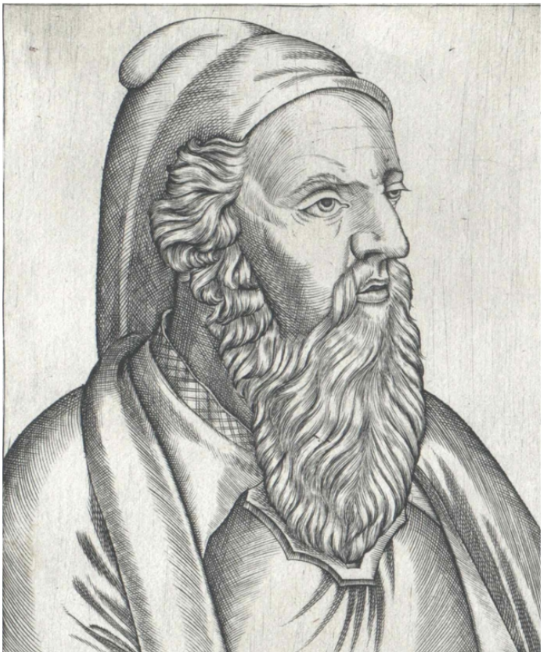
1.1 Define the overall platform architecture, including system modules, data flow, and security protocols (completed). 1.2 Design smart contract logic for NFT minting, patron transactions, and reward distribution (completed). 1.3 Plan integration with the Cardano blockchain, setting performance, scalability, and transparency goals (completed).
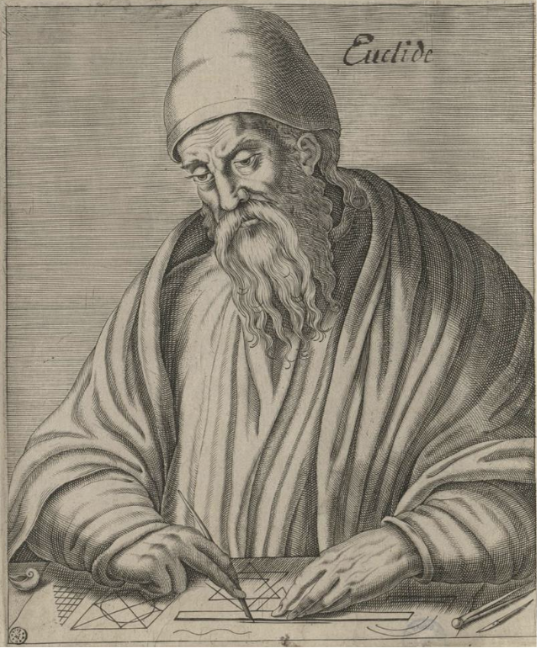
Phase 2. Euclid
B.C. 300
2.1 Develop the learner onboarding process, profile management, and progress tracking (in progress). 2.2 Implement the math challenge engine, with difficulty scaling and game-2.3 like level progression (in progress). 2.4 Integrate NFT creation functionality, allowing learners to mint NFTs based on their achievements (in progress). 2.5 Conduct internal testing to ensure reliability (in progress).
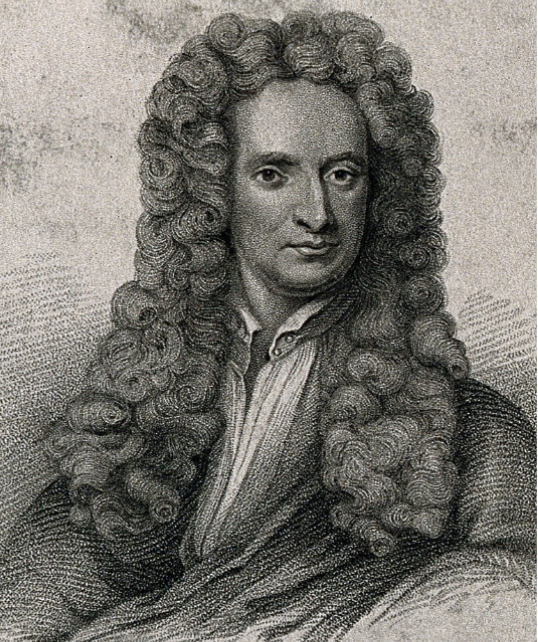
Phase 3. Newton
1643-1727
3.1 Design and build the patron dashboard, enabling browsing, purchasing, and tracking of NFTs. 3.2 Implement payment handling on the Cardano blockchain, including flexible contribution amounts. 3.3 Add features for patrons to view learner progress and the impact of their contributions. 3.4 Ensure secure, transparent transactions with full blockchain recording.
Phase 4. Euler (TBD)
1707-1783
4.1 Migrate all tested features from the testnet to the Cardano mainnet environment. 4.2 Deploy and validate smart contracts for live transactions. 4.3 Execute initial marketing and outreach to onboard the first wave of learners and patrons. 4.4 Monitor performance, security, and user feedback for rapid iteration.
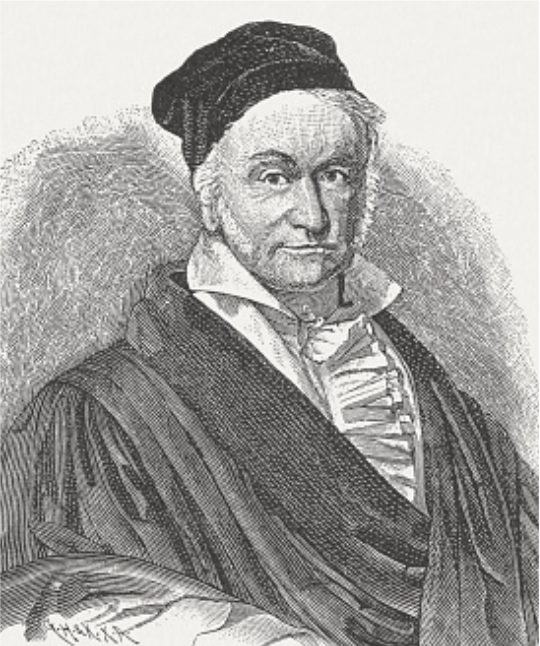
Phase 5. Gauss (TBD)
1777-1855
5.1 Enhance platform features based on feedback, such as more challenge types and patron engagement tools. 5.2 Expand multi-language and regional support to reach a global audience. 5.3 Build partnerships with educational organizations and blockchain communities. 5.4 Implement scalability improvements to handle a growing user base and higher transaction volume.